
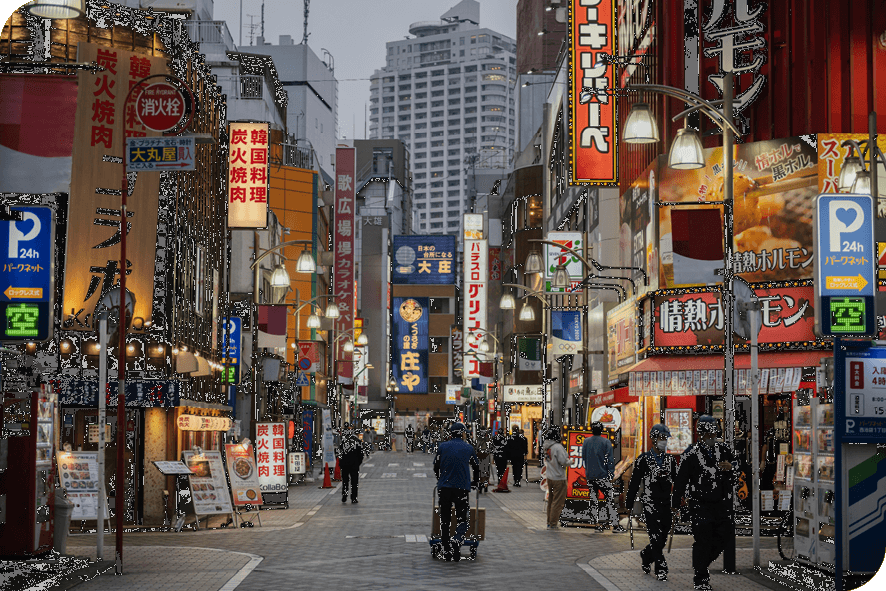
What can Japan teach us about circularity?
A deep dive into the values, methods, and innovations that turned the country into one of the leading large-scale circularity models; and what Brazil can learn from it.
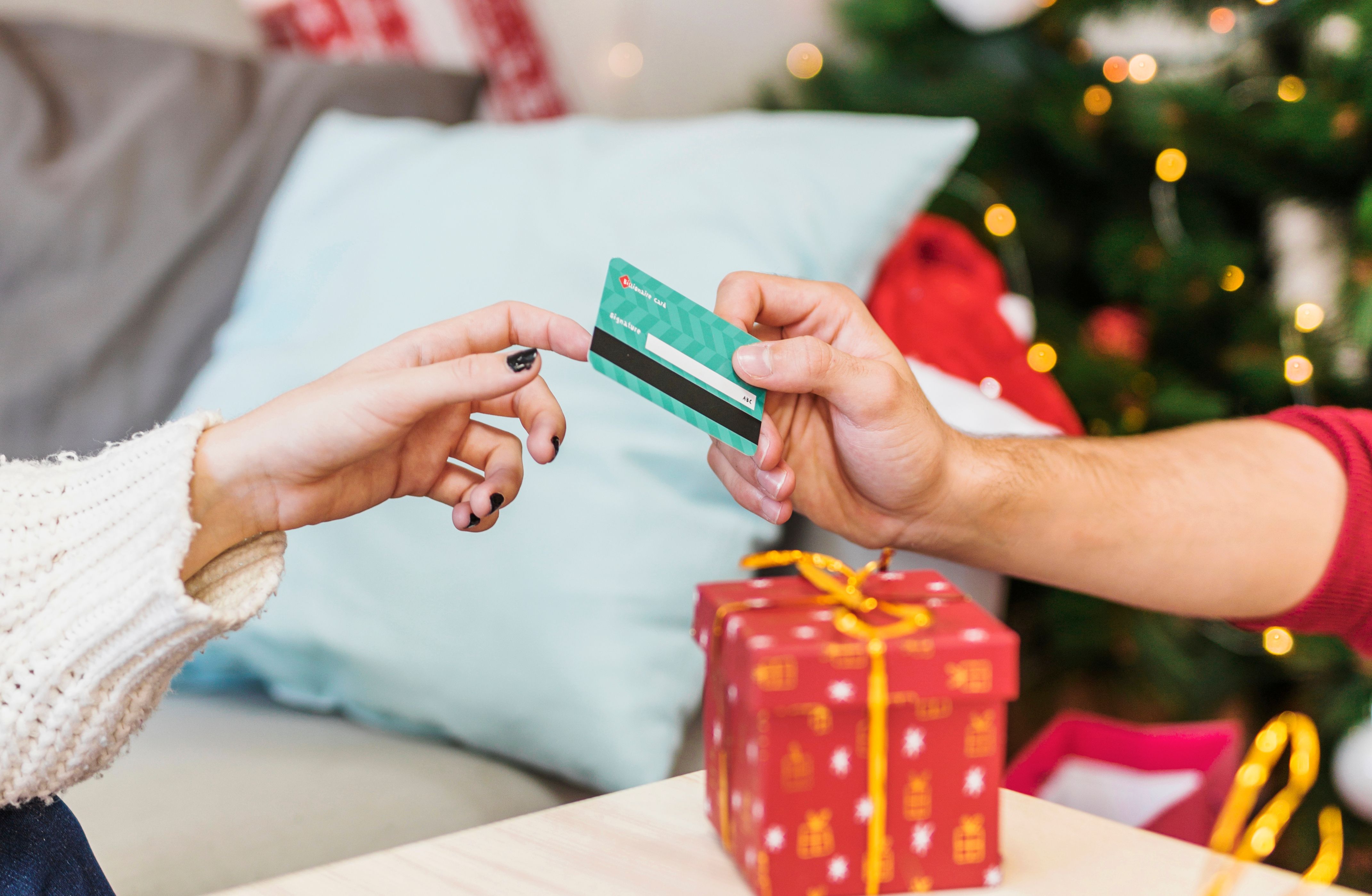
A new meaning for Christmas: less waste, more awareness
Rethinking gifts, packaging, and habits can turn Christmas into a lighter, more sustainable, and truly circular celebration.
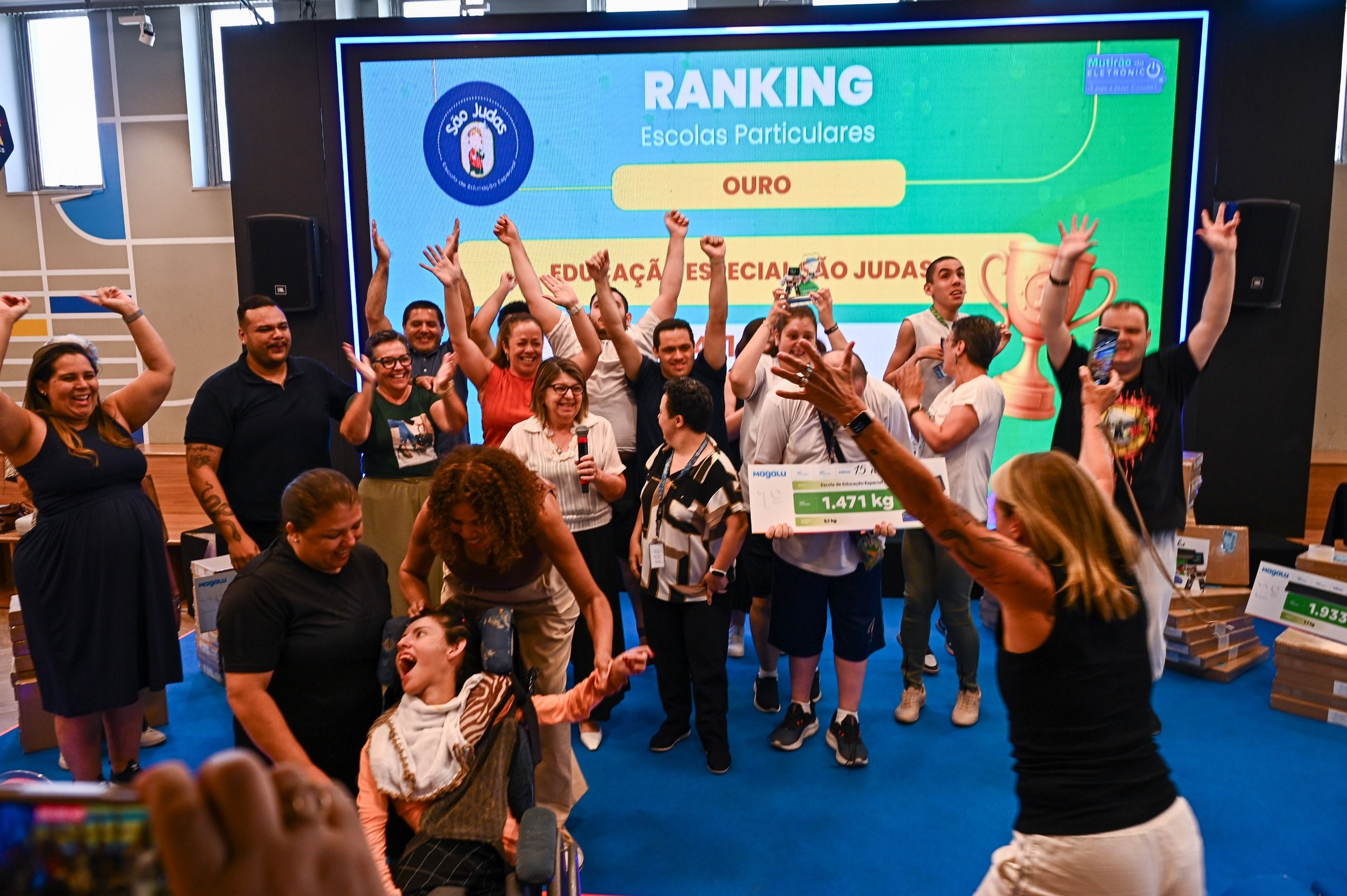
Magalu’s Electronic Recycling Drive recycles 87 tons of waste
Carried out in partnership with the Circular Movement, the initiative combined teacher training, community engagement, and reverse logistics to strengthen circular economy practices in schools across the North Zone of São Paulo.
A coffee made to circulate: meet O1NE!
The first monomaterial coffee packaging designed for recycling in Brazil is the result of a partnership between Movimento Circular, Dow, Valgroup, and Catarina Café e Amor.

Transform your classroom with Circular Economy, toward a World Without Waste!
Access complete lesson plans with free content on Circular Economy to enrich your classroom with insights on sustainability

Join the Circular Movement and promote circularity
Join the team of partners already on the journey towards a world without waste

Introduction to Circular Economy course has a new look at Circular Academy
Dados atualizados, novo design, mais conteúdos e agora com certificado que te torna uma Pessoa Multiplicadora da Economia Circular! O que é bom não mudou, o curso continua gratuito

Between knowing and doing: how japanese circularity can guide us?
Ana Bertelli brings a reflection on what we know, what we do, and the gap between the two; and how Circularity in Japan can be the bridge we are looking for.
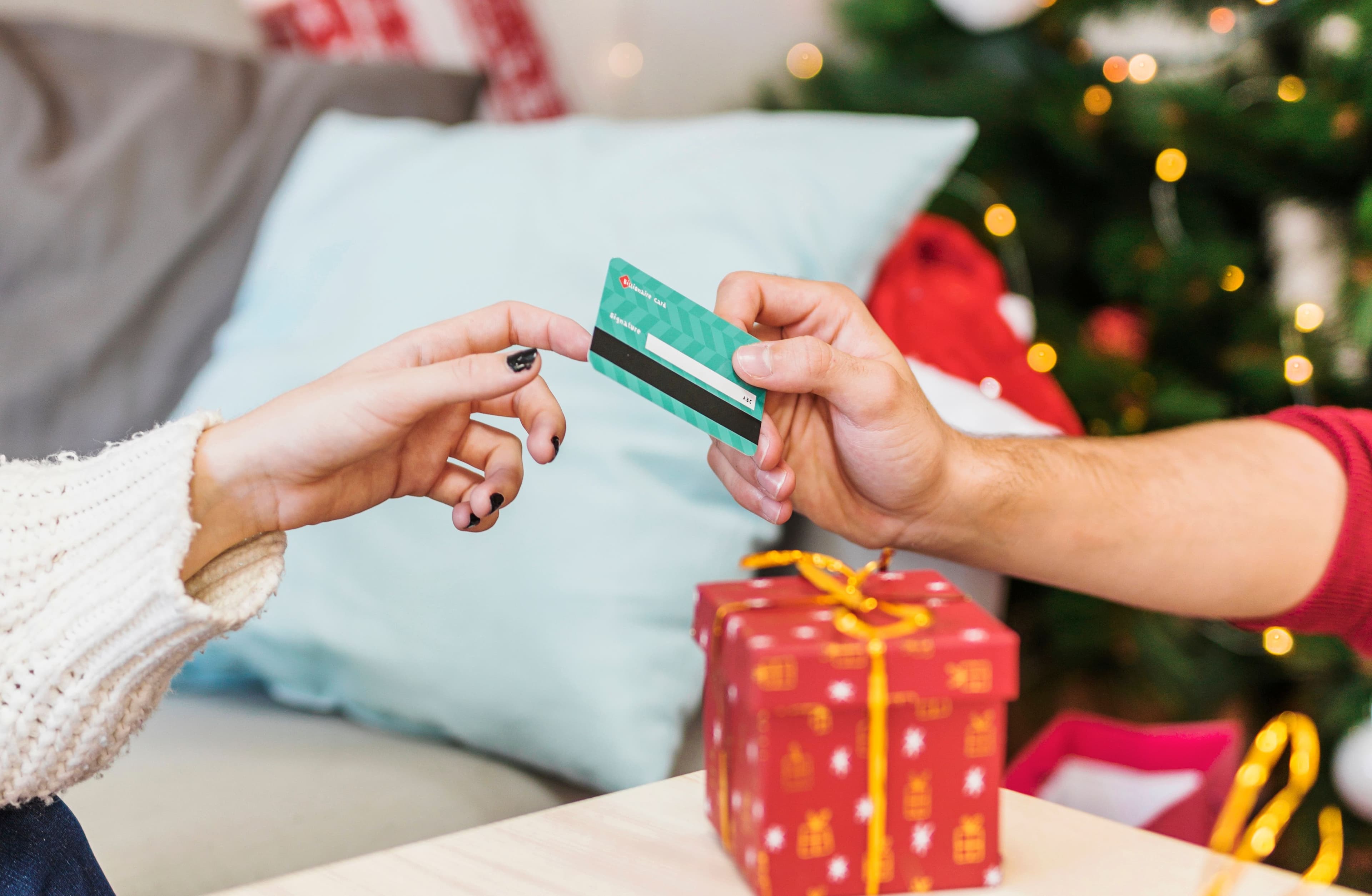
Tips for a circular and waste-free Christmas
Consumers should rethink consumption habits and prioritize more sustainable alternatives

Magalu’s Electronic Drive sends 87 tons of waste for recycling in São Paulo
Carried out in partnership with Circular Movement, the Magalu initiative combined teacher training, community mobilization and reverse logistics to expand the proper disposal of electronics.

Want to know more about circular economy?
Online course, totally free and with certificate!


Subscribe to our newsletter
Stay up to date on the news of the Circular Movement, useful content and practical tips on how to build a world without trash!
The Circular Movement and the Sustainable Development Goals (SDGs)
The Circular Economy contributes to achieving the targets associated with the Sustainable Development Goals.
The Circular Economy stimulates changes throughout the extraction, production, consumption, and disposal chain, aiming to enhance the natural resources already in circulation, support the regeneration of ecosystems, reduce waste generation, and create socioeconomic development opportunities.
In this way, the Circular Economy, directly or indirectly, contributes to achieving the targets of the 17 United Nations Sustainable Development Goals.
